
Short, interview-ready definition
OLTP systems are optimized for many small, fast transactions (reads/writes).
OLAP systems are optimized for complex analytical queries over large datasets.
1️⃣ OLTP — Online Transaction Processing
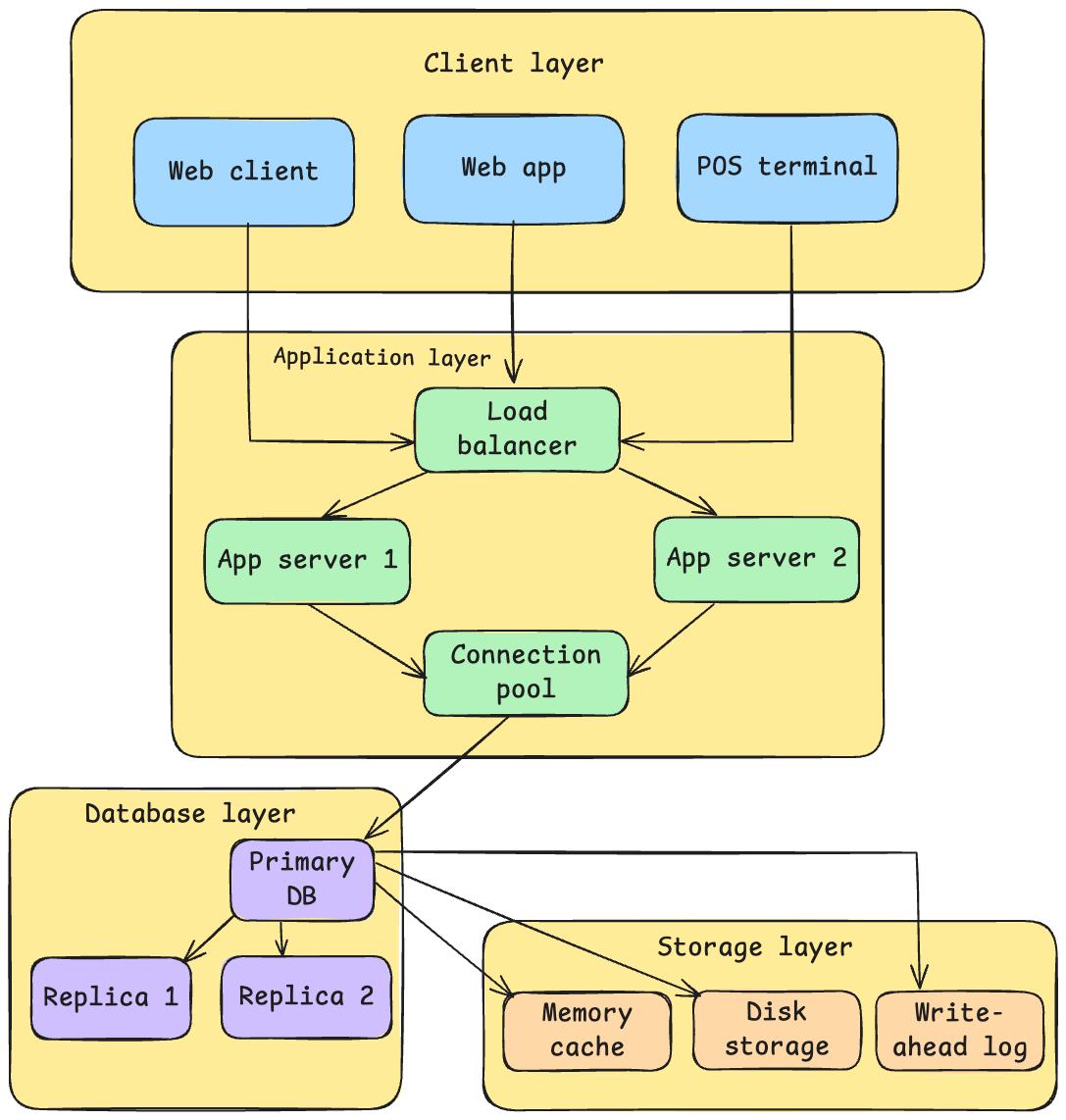
What it is
Systems that support day-to-day operations of an application.
Typical operations
- Insert / update single rows
- Read by primary key
- Short transactions
- High concurrency
Example queries
SELECT * FROM users WHERE id = 42;

INSERT INTO orders(user_id, amount) VALUES (42, 100);

UPDATE accounts SET balance = balance - 10 WHERE id = 7;
Characteristics
- Many concurrent users
- Low latency (milliseconds)
- Strong consistency
- Small result sets
- Heavy use of indexes
Typical databases
- PostgreSQL
- MySQL
- Oracle
- SQL Server
Backend example
- User registration
- Payments
- Order creation
- Profile updates
2️⃣ OLAP — Online Analytical Processing
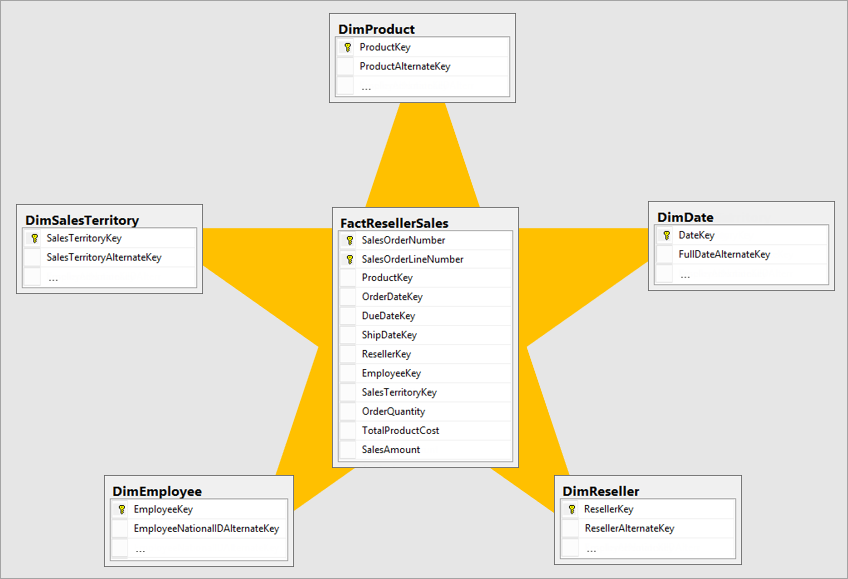
What it is
Systems designed for analysis, reporting, and decision making.
Typical operations
- Full table scans
- Aggregations
- Grouping over millions/billions of rows
- Read-heavy
Example queries
SELECT country, SUM(amount)
FROM orders
GROUP BY country;
SELECT DATE_TRUNC('month', created_at), COUNT(*)
FROM users
GROUP BY 1;
Characteristics
- Few users
- Long-running queries
- Large result sets
- Mostly reads
- Columnar storage often used
Typical databases
- ClickHouse
- BigQuery
- Redshift
- Snowflake
Backend example
- Dashboards
- BI reports
- Trend analysis
- Forecasting
3️⃣ OLTP vs OLAP — side-by-side
| Aspect | OLTP | OLAP |
|---|---|---|
| Goal | Run the business | Analyze the business |
| Query type | Simple, short | Complex, long |
| Data volume | Small per query | Huge per query |
| Reads/Writes | Read + Write | Mostly Read |
| Concurrency | Very high | Low |
| Schema | Normalized | Denormalized (star/snowflake) |
| Index usage | Heavy | Often minimal |
| Joins | Few, selective | Many, wide |
4️⃣ Why this matters for backend developers
🔴 Wrong expectations = bad performance
Mistakes:
- Running OLAP queries on OLTP DB
- Adding 10 indexes to speed up reports
- Blaming “Postgres is slow”
Reality:
OLTP and OLAP optimize opposite things.
🔴 Join algorithms differ
- OLTP
- Nested loop + index scan
- Fast PK/FK joins
- OLAP
- Hash joins
- Merge joins
- Full scans are normal
🔴 Schema design differs
- OLTP:
- Normalized
- Strong constraints
- Minimal redundancy
- OLAP:
- Denormalized
- Pre-aggregated
- Redundancy is fine
5️⃣ Modern architecture (very important)
Most real systems use both:
OLTP DB → CDC / ETL → OLAP Warehouse
Example:
- Postgres → Kafka → ClickHouse
- App writes to OLTP
- Analytics reads from OLAP
Senior insight:
Don’t mix workloads — separate them.
6️⃣ Interview-ready final answer (say this cleanly)
“OLTP systems handle many short, concurrent transactions like inserts and updates, while OLAP systems are optimized for large analytical queries and aggregations.
They differ in access patterns, schema design, indexing, and join strategies.
As a backend developer, mixing OLAP workloads into an OLTP database leads to performance problems, so the workloads should be separated.”